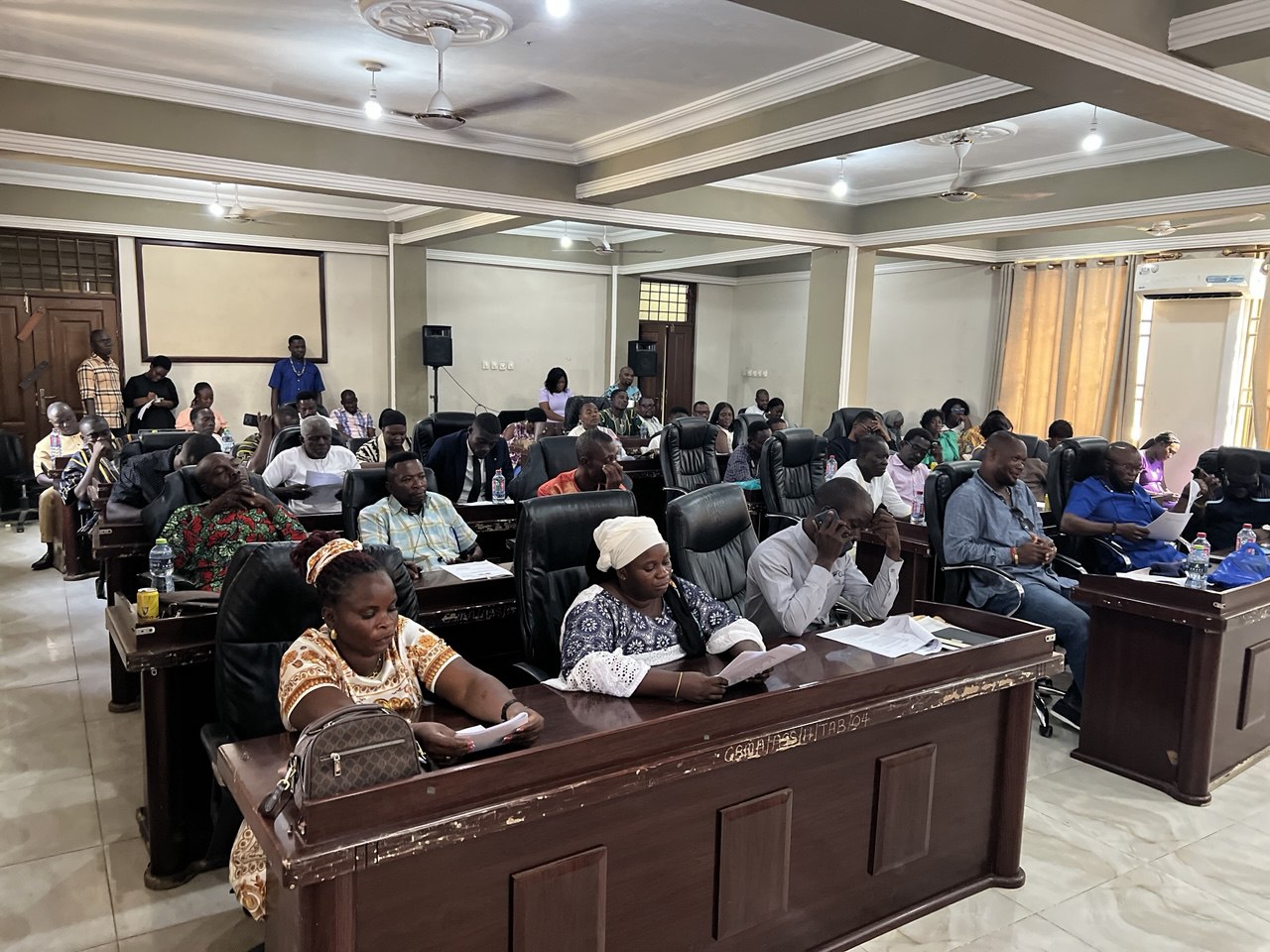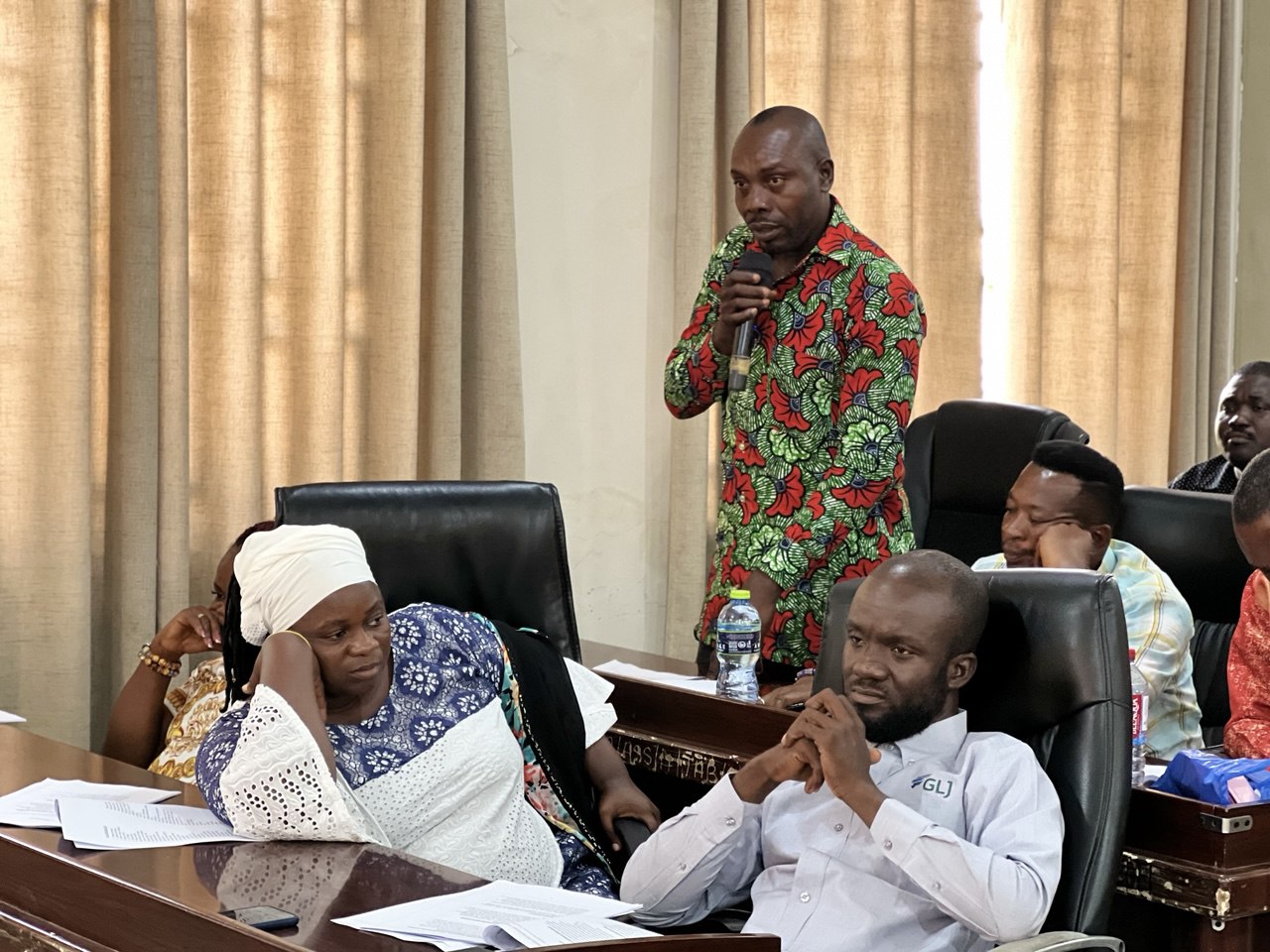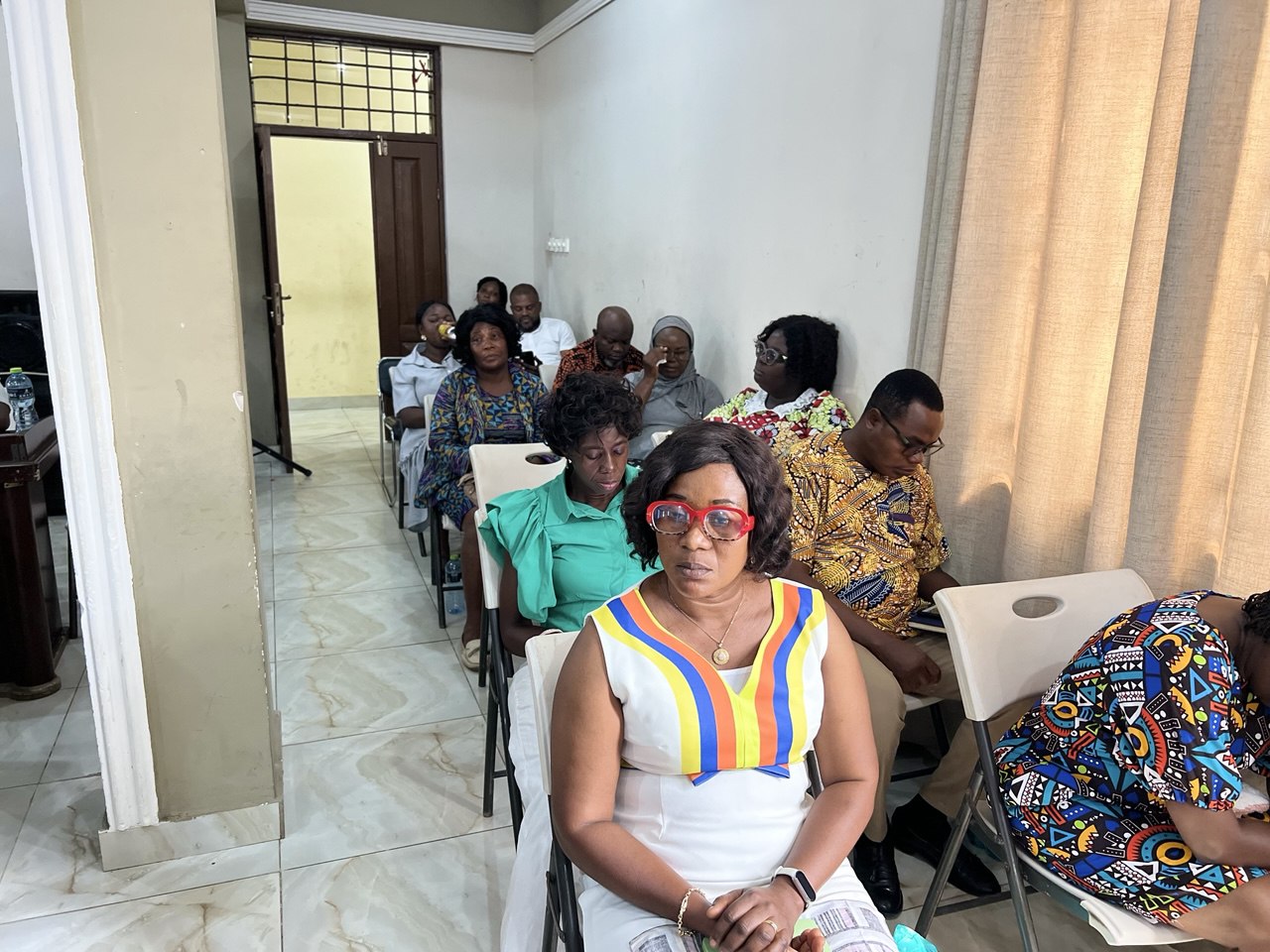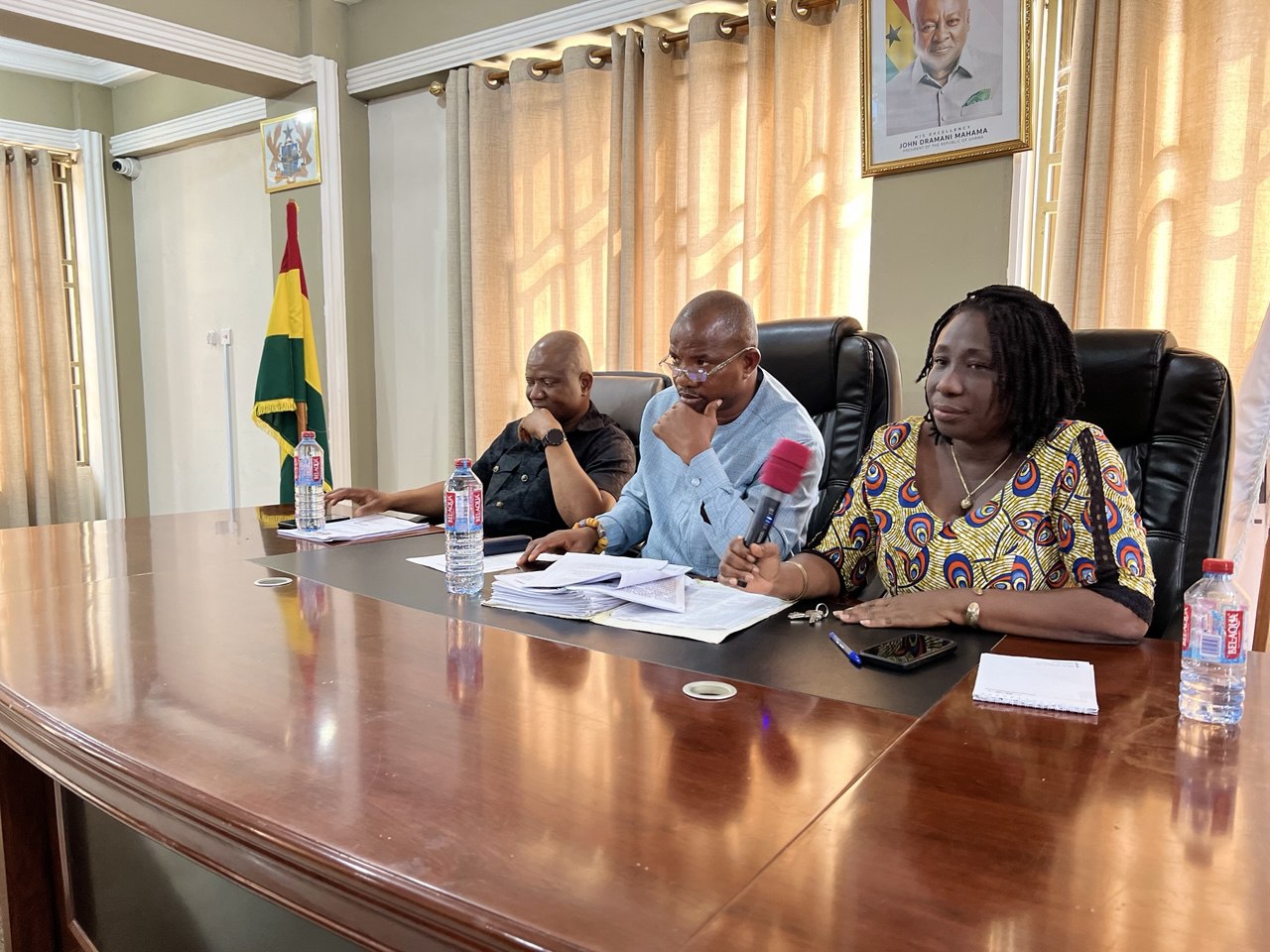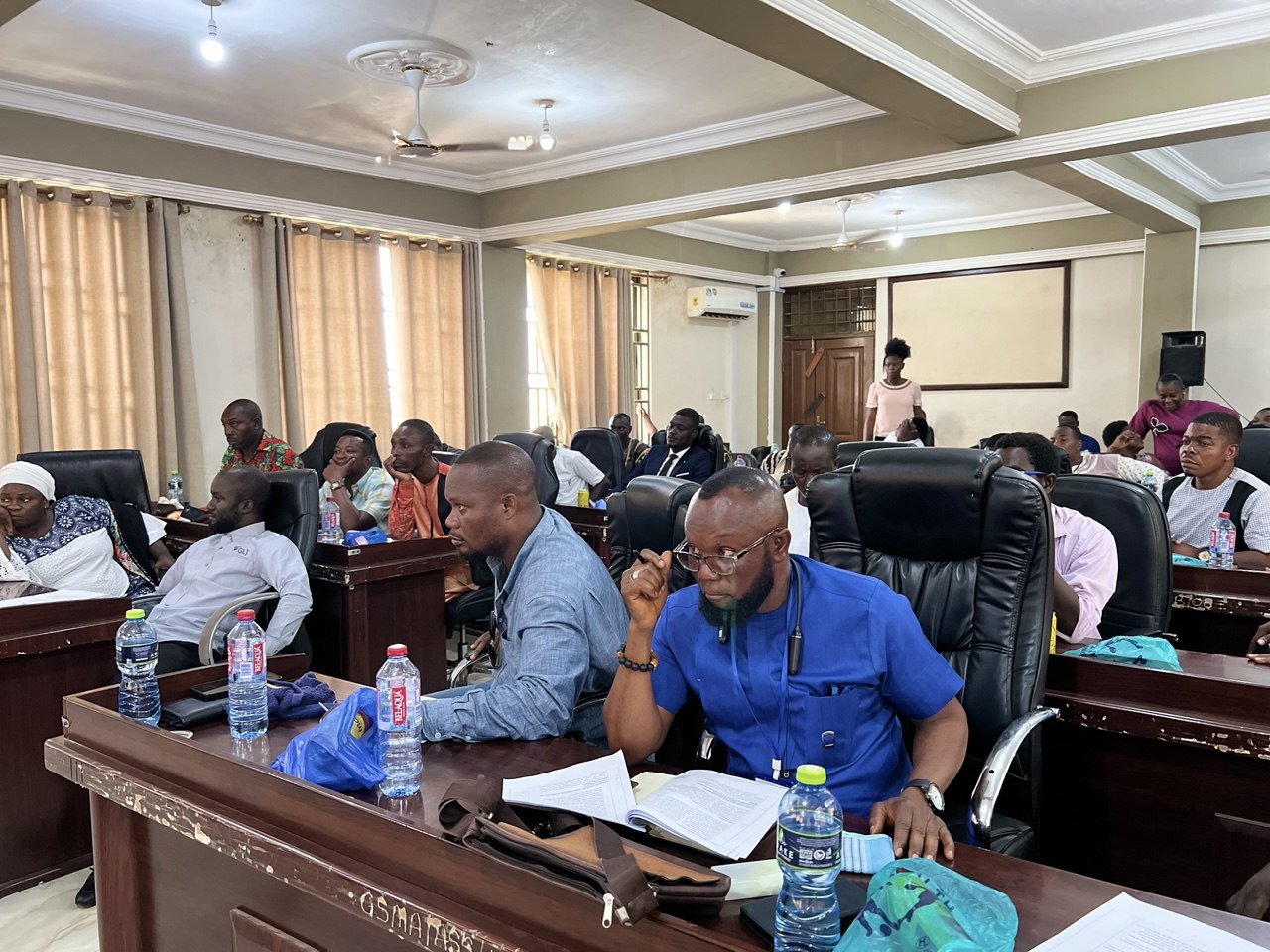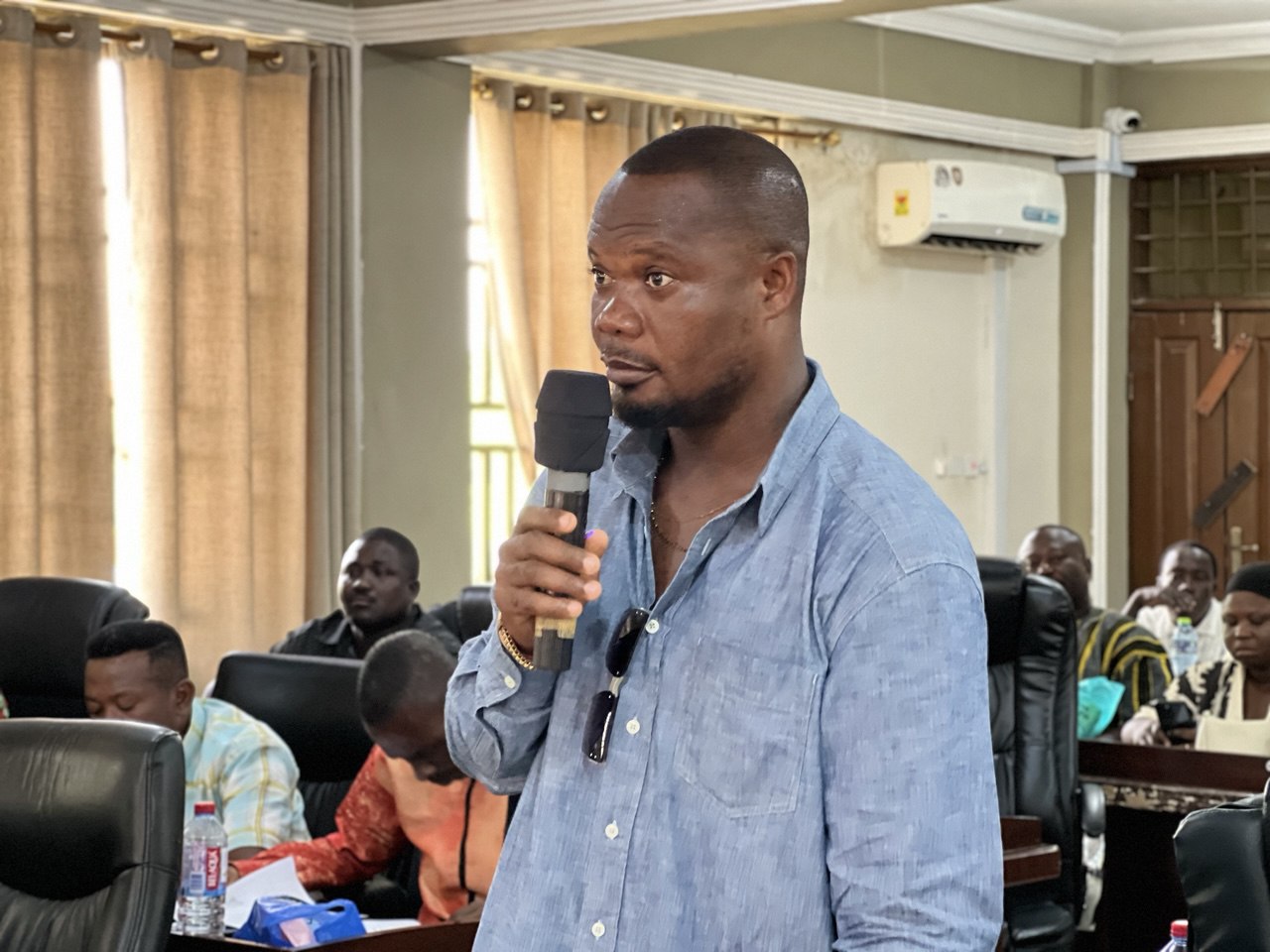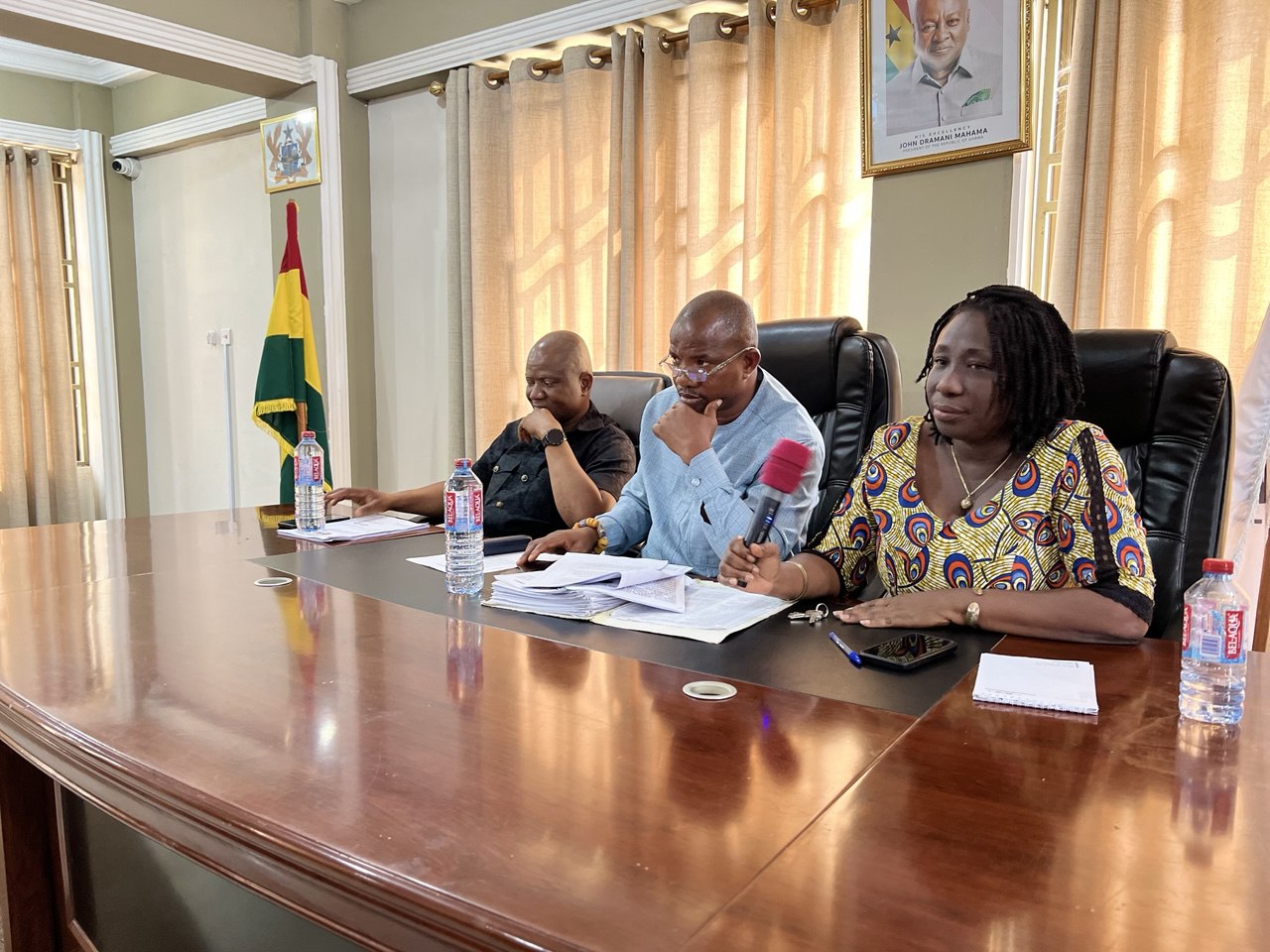
On December 30, 2025, Ga South Assembly outlined 2026 priorities in education, security, sanitation, infrastructure, agriculture and revenue after its meeting. In the education sector, particularly the shortage of desks and delays in the completion of some classroom projects. The MCE assured members that measures were being taken to address furniture shortages and expedite stalled educational infrastructure projects.
In the agriculture sector, members sought clarification on the implementation of the government’s Nkokɔ Nkitinkitin poultry initiative. It was explained that distribution would be conducted on a constituency basis, with 200 households per constituency expected to benefit once the chicks are received.
Concerns were also raised over poor road networks in some communities, with members calling for urgent intervention following reported accidents and safety risks. Security issues featured prominently, as members discussed recent robbery incidents and the absence of a fire station in the municipality. The MCE indicated that efforts were underway to strengthen security patrols, repair broken patrol vehicles, and advance plans for the establishment of a municipal fire station. Members further called for increased enforcement of fire safety measures, including the acquisition of fire extinguishers by public institutions.
On environmental sanitation, the Assembly approved a bi-weekly clean-up exercise to be implemented throughout 2026 under the Sanitation Improvement Programme. The initiative aims to improve hygiene standards and promote community participation in waste management.
The Assembly also considered and approved the 2026 Annual Action Plan and the Revenue Improvement Action Plan, with a strong emphasis on completing uncompleted projects, enforcing land and building permit regulations, and boosting internally generated funds.
Presenting his sessional report, the MCE reviewed the Assembly’s performance in key sectors, including education, health, sanitation, roads, agriculture, social protection, and finance. He highlighted improved outcomes in basic education, ongoing health facility upgrades, sanitation achievements, and progress in road and drainage works, despite financial and logistical constraints